Healthcare infrastructure support: Kherson & Sumy
The Prytula Foundation USA continues its commitment to strengthening Ukraine's medical resilience. Through our recent healthcare initiative, we have successfully procured and delivered specialized medical equipment to municipal hospitals in Kherson and Sumy. These regions remain under significant pressure, and this equipment is designed to ensure that local doctors have the tools necessary for high-precision surgery, life support, and continuous patient monitoring.
Key Features of the Project
Life support & respiratory therapy
By providing the BIOMED JAY-20 Oxygen Concentrator for Central City Clinical Hospital of Sumy City Council, we ensure the hospital can generate their own medical-grade oxygen. This reduces critical dependence on cylinder delivery logistics, which are frequently disrupted by local security conditions.
Monitoring & diagnostics
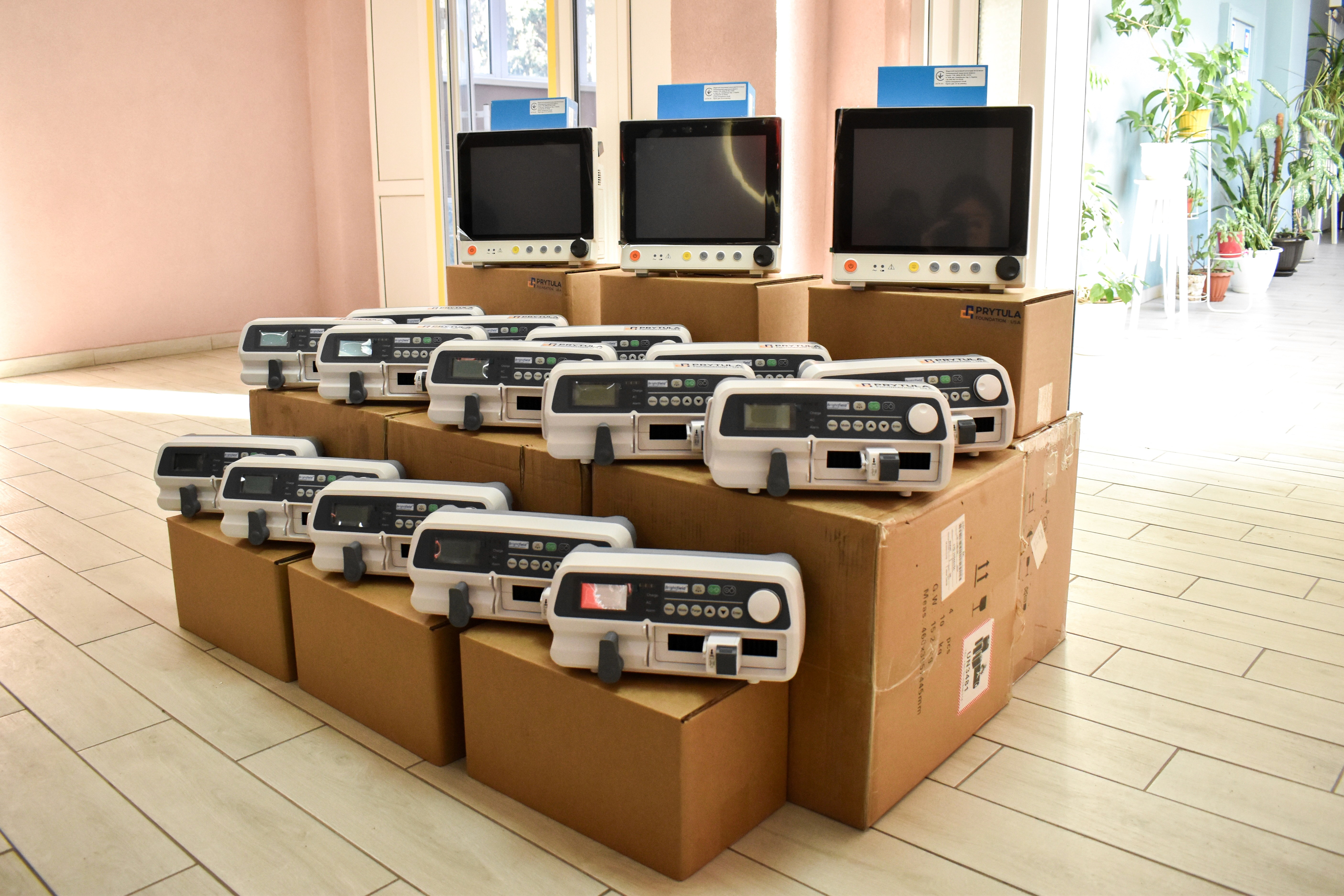
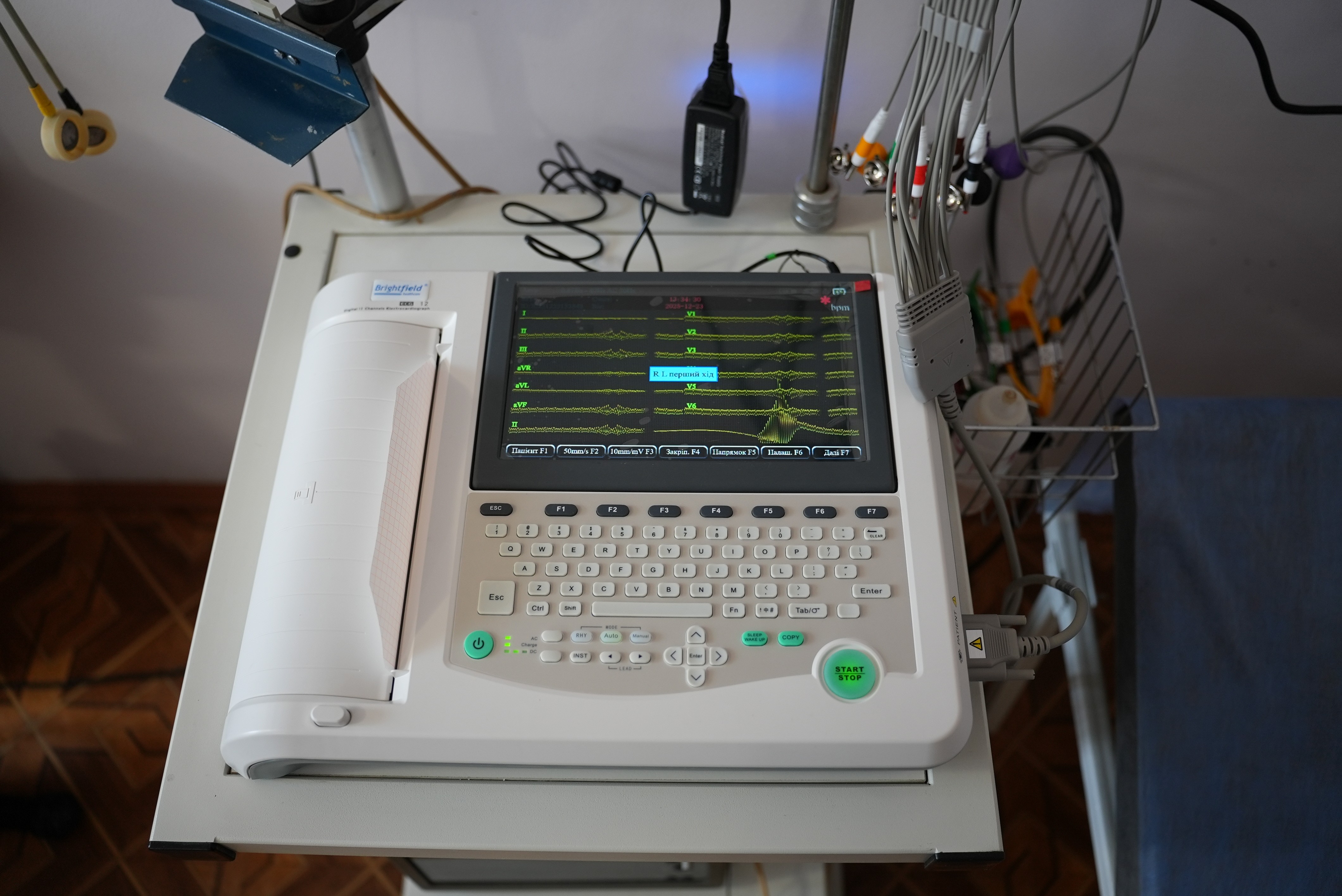
The delivery of Brightfield Healthcare V12i monitors (including capnography) for Central City Clinical Hospital of Sumy City Council and the EM-1201 ECG for Kherson Regional Clinical Hospital allows for continuous, high-fidelity tracking of patient vitals. These tools are indispensable for anesthesia safety, emergency triage, and rapid cardiology assessments.
Surgical & infusion care
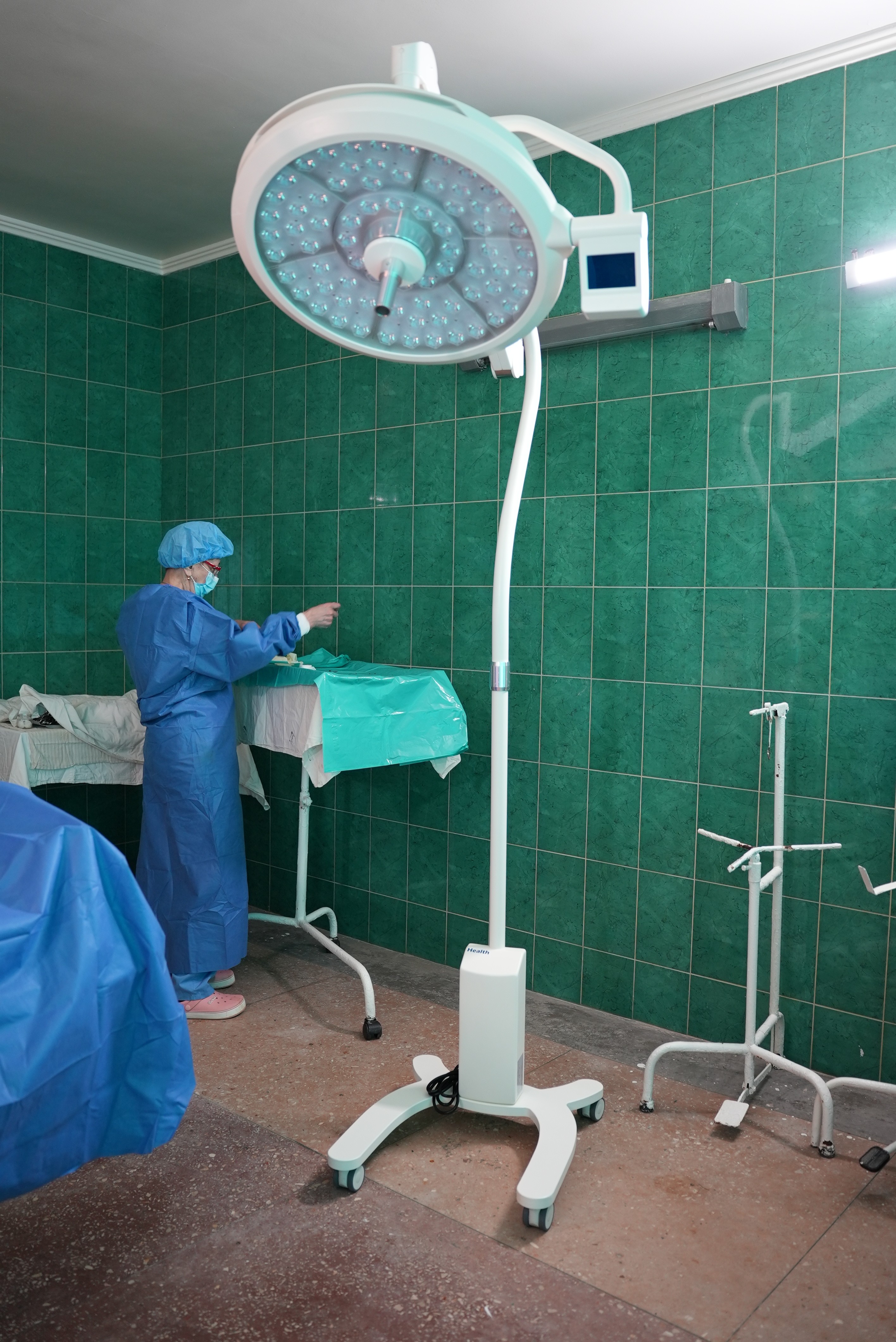
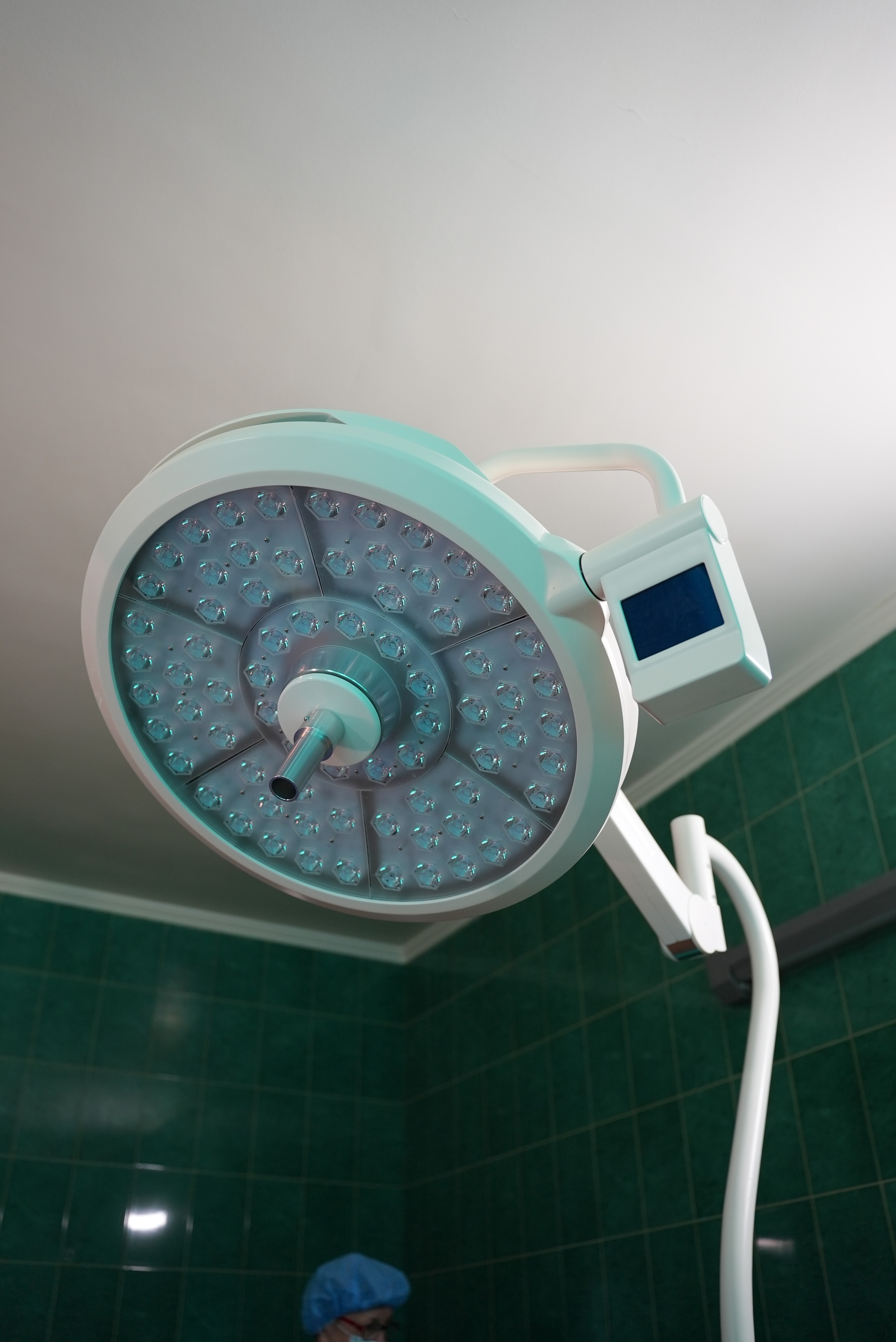
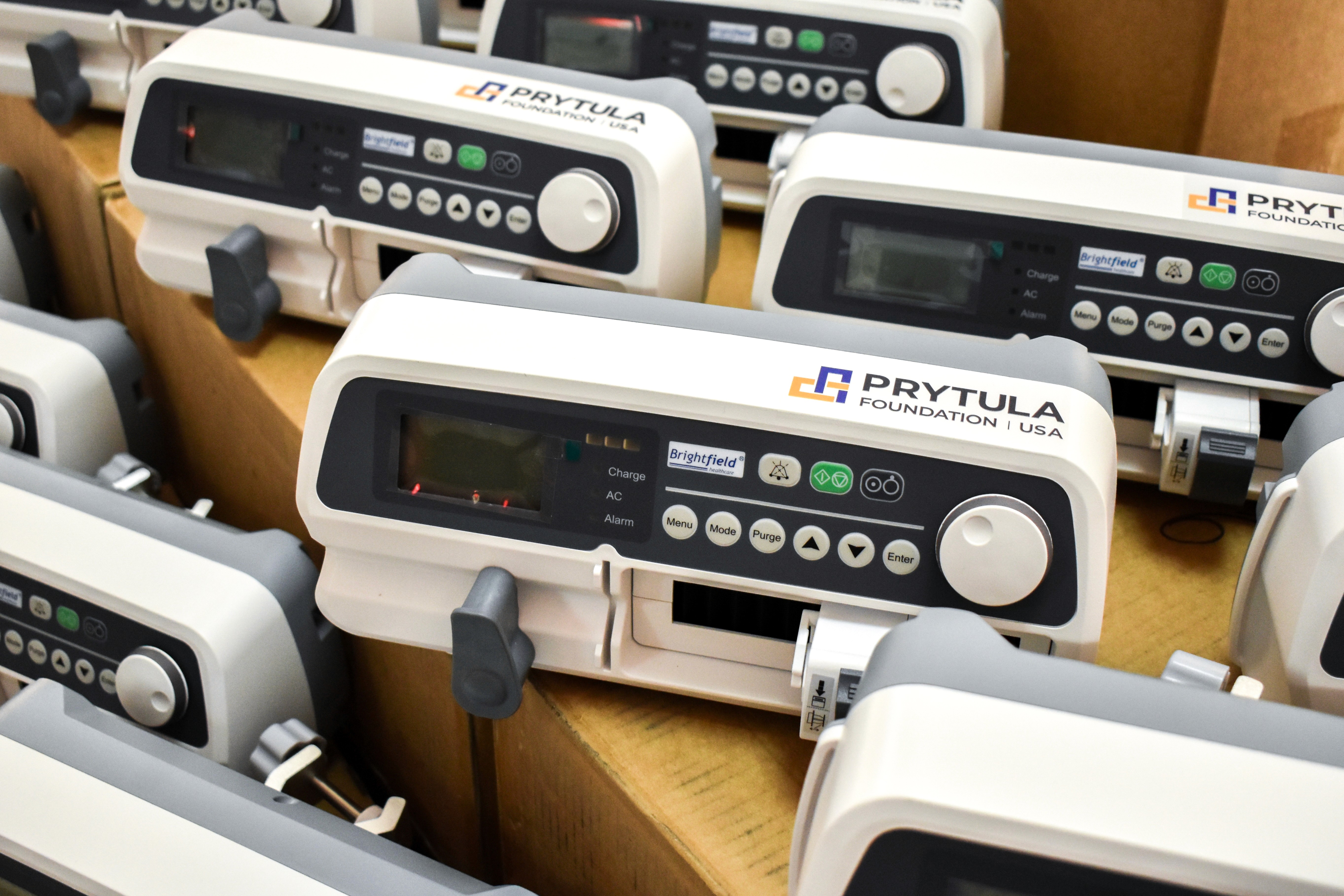
The LEDL620 operating lamp provides Kherson Regional Clinical Hospital the visibility necessary for complex surgeries, while KL-602 syringe infusion pumps delivered to the Central City Clinical Hospital of Sumy City Council allow for the micro-precise delivery of vasoactive drugs and sedation, vital for both adult and neonatal intensive care.
$46,935
Total project value
Thanks to your support, we’ve delivered critical aid!
Why this project matters
Hospitals in Kherson and Sumy operate under the dual pressure of increased casualty rates and fragile supply chains. By providing high-end equipment like oxygen concentrators and precision pumps, we empower local doctors to provide a standard of care that is both autonomous and life-saving. This project transforms these facilities from basic care units into resilient medical hubs capable of handling complex emergencies and long-term stabilization.
Enhance operational autonomy: To decrease hospital reliance on external oxygen supplies and centralized logistics through on-site generation.
Improve patient outcomes: To raise the success rate of surgical and intensive care interventions by providing real-time vital sign monitoring and precision dosing.
Strengthen frontline infrastructure: To ensure that municipal hospitals in high-risk zones are equipped with modern, durable technology that meets international medical standards.